Scripture Reading: 2 Samuel 8-9; 1 Chronicles 18
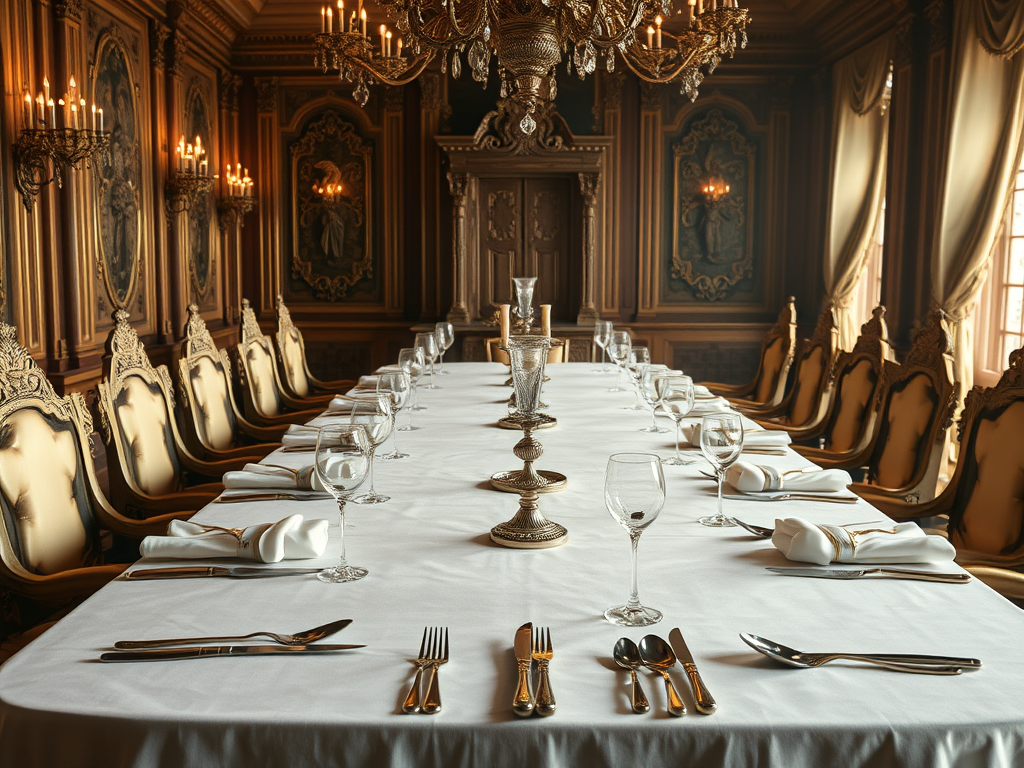
Some tables are laid with fine linen and silverware while others are scattered with crumbs and memory. However, the table that matters most is neither measured by wealth nor presentation—it is marked by who is welcomed to sit there. In the chapters before us, we watch a king conquer nations, subdue enemies, and dedicate treasures to the Lord; yet the most enduring legacy of David’s reign is not the wars he won, but the seat he offered. It is here—at the king’s table—that power bows to kindness, where covenant remembers the crippled, and where mercy outlasts might.
This is no ordinary table. It is a prophetic glimpse of the Gospel: where the throne and the table are not at odds, and where the One who reigns is the same One who restores. It begins with victories that secure the borders, but it ends with grace that pulls up a chair for the forgotten. Somewhere in between conquest and covenant, we begin to see the heart of the true King—Jesus, the One who prepares a table not just for the righteous, but for the redeemed.
2 Samuel 8 – Table Established
Before there could be a seat for mercy, there had to be a kingdom anchored in righteousness. David did not begin his reign with invitation—he began it with order. The chapter unfolds as a sweeping account of military triumphs: Philistia is subdued, Moab is brought low, Zobah is defeated, and Edom is placed under garrisons. Yet within this litany of conquest lies a deeper pattern—one that signals divine enablement, not personal glory. The text makes it plain: “The Lord preserved David wherever he went” (2 Samuel 8:6).
These victories were not haphazard nor motivated by territorial greed; they were covenantal advancements. Each campaign made room for something holy: a nation secured, a people protected, and a throne established not by ambition but by divine justice. The chapter closes with a summary that reads almost like a benediction: “So David reigned over all Israel; and David administered judgment and justice to all his people” (2 Samuel 8:15). The table was not yet set, but the ground had been cleared, the walls built, and the atmosphere made ready.
Even now, the Lord prepares His table in the same way—not through chaos or fear, but in lives surrendered to His righteous rule. He dismantles strongholds not merely to silence the enemy, but to create space for lasting peace. He removes what threatens so that He can establish what heals. So if your heart feels like a battlefield, do not resent the season of subduing, for it may be the groundwork for something sacred. “God is not the author of confusion but of peace” (1 Corinthians 14:33), and where His peace reigns, His presence is already preparing the seat.
2 Samuel 9 – Seat of Mercy
The throne had been established, the kingdom secured, and the victories dedicated—yet the most astonishing act of David’s reign was not found on the battlefield, but in a question whispered in the quiet of covenant memory: “Is there still anyone who is left of the house of Saul, that I may show him kindness for Jonathan’s sake?” (2 Samuel 9:1). This was not political strategy or royal obligation—it was a promise remembered, a vow upheld long after the swords had been sheathed.
Mephibosheth’s name had likely faded from public memory, and his location—Lo-Debar, meaning “no pasture”—symbolized how far he had fallen from privilege. He was not a man seeking restoration; he was a man simply trying not to be noticed. Yet David sends for him, not to punish, but to restore. “Do not fear,” David says, “for I will surely show you kindness… and you shall eat bread at my table continually” (2 Samuel 9:7). The crippled heir of a fallen house is seated at the table of the reigning king—not as a guest, but as a son.
This is more than ancient kindness; it is a portrait of divine mercy. We, too, were crippled by sin, hiding in the barrenness of Lo-Debar, until the King called us by name and invited us to sit where we did not belong. He did not ask us to stand first or to prove our worth—He simply pulled out a chair. And now, like Mephibosheth, “we who once were far off have been brought near by the blood of Christ” (Ephesians 2:13). The table is not earned—it is given. When the King prepares the seat, no past is too broken, and no name is too forgotten to be honored there.
1 Chronicles 18 – Table Honored
The chronicler does not merely echo the victories of 2 Samuel 8—he reframes them with a priestly lens, reminding us that David’s strength was never detached from sacred responsibility. Every enemy subdued, every border expanded, and every treasure seized became an opportunity to honor the true King. When David brought the gold, silver, and bronze back from Hadadezer and the neighboring nations, he did not store them for his own use or display them as personal trophies. Instead, “he dedicated them to the Lord” (1 Chronicles 18:11).
The narrative is not just about dominion—it is about devotion. This was not the spoils of war hoarded for selfish ambition, but the wealth of nations surrendered in worship. David understood that the table he was preparing—both for his people and for future generations—had to be sanctified by surrender. The honor of the throne was never his to own; it was his to steward. Even Joab, Zadok, and Jehoshaphat are named not to glorify bureaucracy, but to reflect the careful ordering of leadership under God’s direction (1 Chronicles 18:15–17).
Today, we are called to steward our victories the same way—not as proof of our strength, but as vessels for His glory. Every breakthrough, every opportunity, and every resource is an invitation to worship. The table we build is not for self-celebration, but for sacred remembrance. When God multiplies, we must dedicate; when He expands, we must honor. For “whatever you do, do all to the glory of God” (1 Corinthians 10:31), and in doing so, we make space for others to taste and see that He alone is worthy.
Final Reflection
The King’s table is more than a symbol of royalty—it is a revelation of God’s heart. In David’s reign, we witness not just the securing of territory or the display of military strength, but the weaving together of justice and mercy, of power and promise. God did not merely give David victory over enemies; He gave him a vision of what true rulership looks like—a throne established in righteousness and a table extended in grace.
In 2 Samuel 8, we saw that order must precede invitation. A kingdom ruled by justice prepares the way for mercy. In 2 Samuel 9, we were brought into the quiet intimacy of covenant fulfilled, where a crippled heir was not just spared but seated. Finally in 1 Chronicles 18, we were reminded that all increase must be laid back at the feet of the One who gave it. These are not disconnected moments in history—they are a prophetic arc that points us forward to the table Christ now prepares, where enemies are subdued, the broken are restored, and every crown is cast before His feet.
So the question is no longer whether the King has made room at the table—but whether we will take our seat. Whether we will live from a place of earned striving or from the mercy that bids us come. Whether we will treat victories as our own or honor the One who gave them and whether we will extend the same seat of mercy to others that grace first extended to us.
Prayer
Lord,
You are the One who secures what we cannot, who restores what we would leave behind, and who prepares tables we do not deserve. Teach us to trust You when You clear the battlefield, to honor You when You bring increase, and to reflect You when we are called to show kindness. Let our lives echo Your justice and mirror Your mercy. May we never forget the seat we’ve been given, and may we never grow stingy with the grace we’ve received. Establish our hearts like You established David’s reign—with strength that yields to compassion and victories that lead us back to worship.
In Jesus’ name,
Amen.
If the King’s table is a place for the undeserving, how do we respond when God asks us to pull out a chair for someone else? I would love to read your thoughts on this below!
Our Scripture reading schedule for the rest of the week:
| Day | Date | Scripture Reading |
| Saturday | May 10 | Psalms 50, 53, 60, 75 |
| Sunday | May 11 | 2 Samuel 10; 1 Chronicles 19; Psalm 20 |
In Christ,
Mrs. O 🤍


Leave a Reply